
Robert Perez: How Are Top Fixed Ops Leaders Preparing for the Future?
Why Do Industry Events Matter?
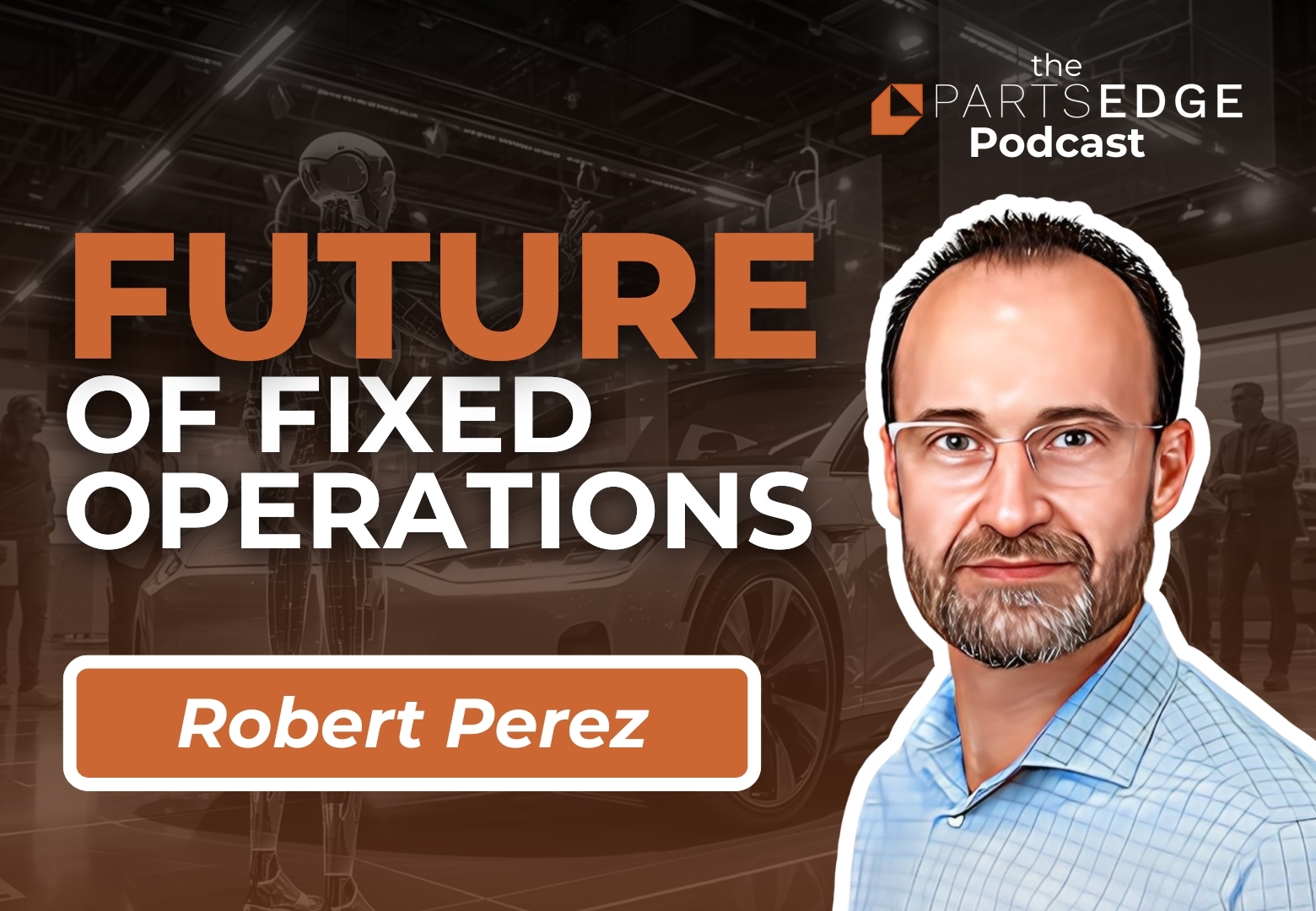
Robert Perez, Fixed Operations Director for South Texas Auto Group, believes one of the most valuable investments dealership leaders can make is stepping away from daily operations to learn from others. Industry events create opportunities to exchange ideas, compare performance, discover new approaches, and understand how other dealerships are solving similar challenges.
The value extends beyond meeting vendors. These events expose leaders to new thinking and help challenge assumptions that may have existed inside the dealership for years.
“Don’t make assumptions. Test and learn.”
Robert Perez
How Can Technology Increase Capacity and Efficiency?
Technology plays a central role in Robert Perez's operational strategy. One example is the adoption of Blink AI to help optimize service scheduling and manage workflow more effectively.
The results were immediate. The dealership reached as many as 160 service appointments in a single day by using AI to help manage scheduling and capacity. Instead of allowing appointments to dictate workflow, the team gained greater control over how work entered the shop.
Technology succeeds when it improves efficiency, increases capacity, and helps teams make faster decisions.
Why Does Visibility Matter More Than Standard Reports?
Managing multiple dealerships requires access to accurate information without spending hours compiling reports. Robert Perez oversees South Texas Buick GMC in McAllen, Toyota Pharr, and South San Antonio Buick GMC, making reporting efficiency critical to daily management.
One of the biggest benefits he highlights is consistent visibility into inventory performance. Having organized sources, accurate reporting, and quick access to custom data allows management conversations to focus on solutions instead of searching for information.
True visibility comes from identifying issues that may otherwise remain hidden inside inventory and operational data.
Early in the process, Robert Perez acknowledges that greater visibility exposed problems that previously went unnoticed. While uncomfortable at first, that visibility created opportunities for improvement. Once adjustments were made, ongoing maintenance became far more efficient and allowed leadership to focus on higher-level priorities.
How Are Customer Expectations Changing Fixed Operations?
Customer expectations continue moving toward convenience.
GM has introduced programs and incentives encouraging dealerships to expand mobile service offerings. Dealers are already testing service fees around $50 for express services and approximately $100 for more complex repairs, with customers willing to pay for the convenience.
Customers increasingly expect businesses to come to them rather than requiring them to travel for every transaction.
Rather than assuming what customers want, Robert Perez advocates testing new service models, gathering feedback, and adapting based on results. This mindset allows dealerships to evolve alongside changing expectations instead of reacting after competitors have already moved.
Conclusion
Robert Perez emphasizes three themes that continue shaping successful fixed operations departments: continuous learning, operational visibility, and willingness to adapt.
Leaders who invest in technology, seek outside perspectives, and test new ideas position their dealerships to respond faster to changing customer expectations. Strong reporting, efficient workflows, and a commitment to experimentation help create operations that remain competitive as the industry evolves.
Watch the episode:
Submit a Comment
Your email address will not be published. Required fields are marked *